The Gongbi Line: A Foundation of Precision and Expressiveness
|
Gongbi lines are characterized by their fineness, evenness, and consistent width. Artists utilize specialized fine-pointed brushes to create these lines, ensuring that every stroke is deliberate and controlled. The consistent thickness of the lines requires years of practice, and this skill is central to the Gongbi style. It is within the precise lines that the work begins to define itself. 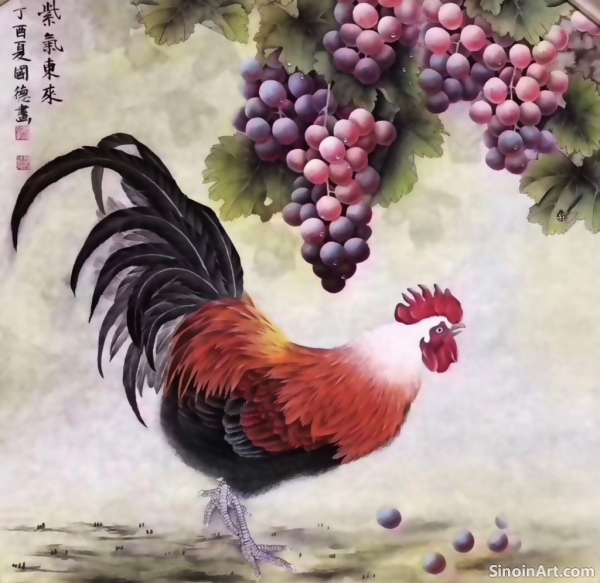 The direction and curvature of the line are just as important as its fineness. Artists meticulously plan each line, varying the pressure and direction of their strokes to convey the form, volume, and texture of the subject. Lines can be used to create a sense of roundness, sharpness, and even movement, requiring the artist to use each stroke thoughtfully and with purpose. The control of line is the base of a successful Gongbi painting. 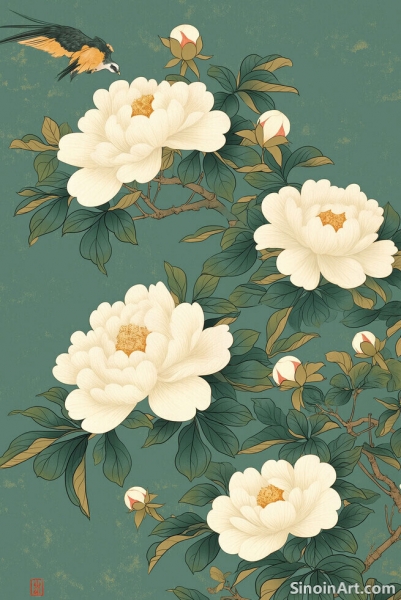 While the line work in Gongbi painting is highly controlled, it is not devoid of expressiveness. Within the constraints of the technique, artists find ways to infuse their lines with a subtle sense of rhythm, energy, and artistic personality. It is this balance of precision and expressiveness that defines the Gongbi line and elevates it beyond a mere technical exercise. Within the precision is a well-defined sense of artistic expression. 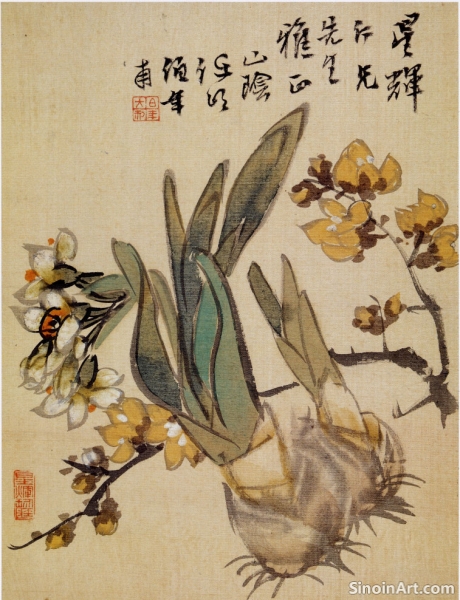 The Gongbi line, therefore, serves as a foundation for the aesthetic and technical brilliance of the style. The ability to create precise and controlled lines is essential to the accuracy, beauty, and expressive power of the works produced within the Gongbi tradition. It is within this seemingly restrictive style that a world of expression opens up for those with mastery of the brush and ink. The control of line allows for the creation of lasting and memorable works. |
Tag : Gongbi Line, Chinese Line Drawing, Precision in Gongbi Art, Expressive Gongbi Line, Traditional Chinese Linework
Related information
- The Use of White Space in Gongbi Composition
- Gongbi Painting and the Influence of Taoist Philosophy
- The Role of the Artist's Seal in Gongbi Painting
- Gongbi and the Depiction of Water: Capturing the Flow and Spirit
- Gongbi Painting and the Four Gentlemen: Symbolism in Nature
This article explores the importance of white space in Gongbi composition, highlighting its role in defining the main subject, creating depth, contributing to overall balance, and reflecting the philosophical principles of emptiness and the interplay of yin and yang.
This article explores the influence of Taoist philosophy on Gongbi painting, highlighting how the art form reflects Taoist ideals of harmony with nature, balance, mindfulness, and simplicity, adding a deeper layer of spiritual and philosophical significance to the artworks.
This article discusses the role of the artist's seal in Gongbi painting, highlighting its function as a signature, a visual element, a statement of ownership, and its contribution to the cultural significance and authenticity of the artwork.
This article explores the depiction of water in Gongbi painting, highlighting the techniques used to capture its flow and movement, the use of color to suggest its depth, symbolic significance, and how it enhances the overall sense of harmony and balance within the artwork.
Explores the symbolism of the Four Gentlemen (plum blossom, orchid, bamboo, chrysanthemum) in Gongbi painting, highlighting their cultural significance and representation.