The Evolution of Bronze Bell Design in China: From Simple Forms to Complex Chimes
|
The design of bronze bells in ancient China evolved significantly over time, from simple, single bells to elaborate sets of chimes known as bianzhong, demonstrating the ingenuity and artistic vision of ancient Chinese metalworkers. This evolution is a testament to the ever-changing artistic and technical skills of the Chinese people. The increasing complexity of bronze bells also reflected a greater level of cultural sophistication. 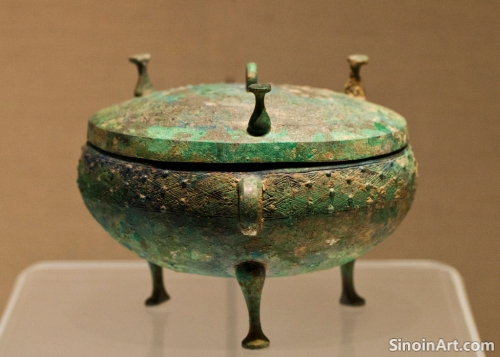 Early bronze bells were often simple in design, and were used for ritual purposes as well as for signaling and communication. These early bells had a more limited range of notes and were more limited in their overall musical expression. The earliest bell designs were simpler in style and function.  Later bronze bells, such as those from the Zhou Dynasty and later, were often designed in sets (bianzhong), with each bell carefully tuned to a specific pitch, allowing for the performance of complex melodies and musical compositions. The increased range and tone of the later bells allowed for more varied and complex musical arrangements. 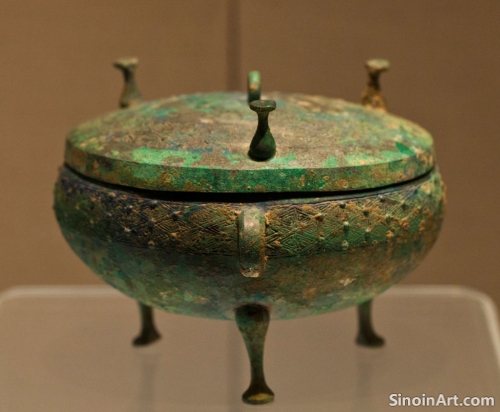 The elaborate designs on these bells, often incorporating intricate geometric patterns and symbolic motifs, reflect the artistic sensibilities and aesthetic values of the different periods in Chinese history. The decorative elements further added to the visual and symbolic power of these musical instruments. The study of the evolution of bronze bell design helps us to appreciate not only the technical advancements in metal casting but also the development of ancient Chinese music theory and performance practices. The instruments highlight the complex interplay between technology, science, and art. |
Tag : bronze bell design, bianzhong, ancient Chinese music, bell evolution, musical instruments
Related information
- The Taotie Motif: Unraveling the Mystery of the Shang Bronze Beast
- The Use of Bronze in Ancient Chinese Ritual Masks: Power, Transformation, and the Spirit World
- The Legacy of Chinese Bronze Ware: Its Influence on Later Art Forms
- The Discovery and Interpretation of New Bronze Ware Sites: Unveiling the Secrets of the Past
- The Production and Use of Bronze in the Ancient Kingdom of Shu: The Uniqueness of Sanxingdui
This article explores the taotie motif found on Shang Dynasty bronzes, discussing its composite features, the various interpretations of its symbolic meaning, its evolution over time, and its significance in understanding the Shang worldview.
This article explores the use of bronze ritual masks in ancient China, highlighting their dramatic designs, their role in invoking spirits, and how the act of wearing these masks facilitated transformation and connection with the spirit world.
This article explores the enduring legacy of Chinese bronze ware, highlighting its influence on later forms of Chinese art, including ceramics, painting, and sculpture, with particular emphasis on the enduring impact of bronze forms, motifs, and aesthetic principles.
This article explores the ongoing discovery and interpretation of new bronze ware sites in China, highlighting the importance of archaeological excavations, new technologies for analysis, and the way these new insights are reshaping our understanding of the past.
This article explores the bronze ware of the ancient kingdom of Shu, highlighting the unique artifacts discovered at Sanxingdui, the distinct casting techniques, and the cultural significance of this powerful and largely independent civilization.