
For art enthusiasts and historians alike, few works capture the imagination quite like A Thousand Li of Rivers and Mountains. Created during the Northern Song Dynasty, this 12-meter-long silk scroll is a testament to the peak of Chinese landscape painting. It represents not just a geographical exploration, but a spiritual journey into the heart of the "Blue-and-Green" (Qinglu) tradition.
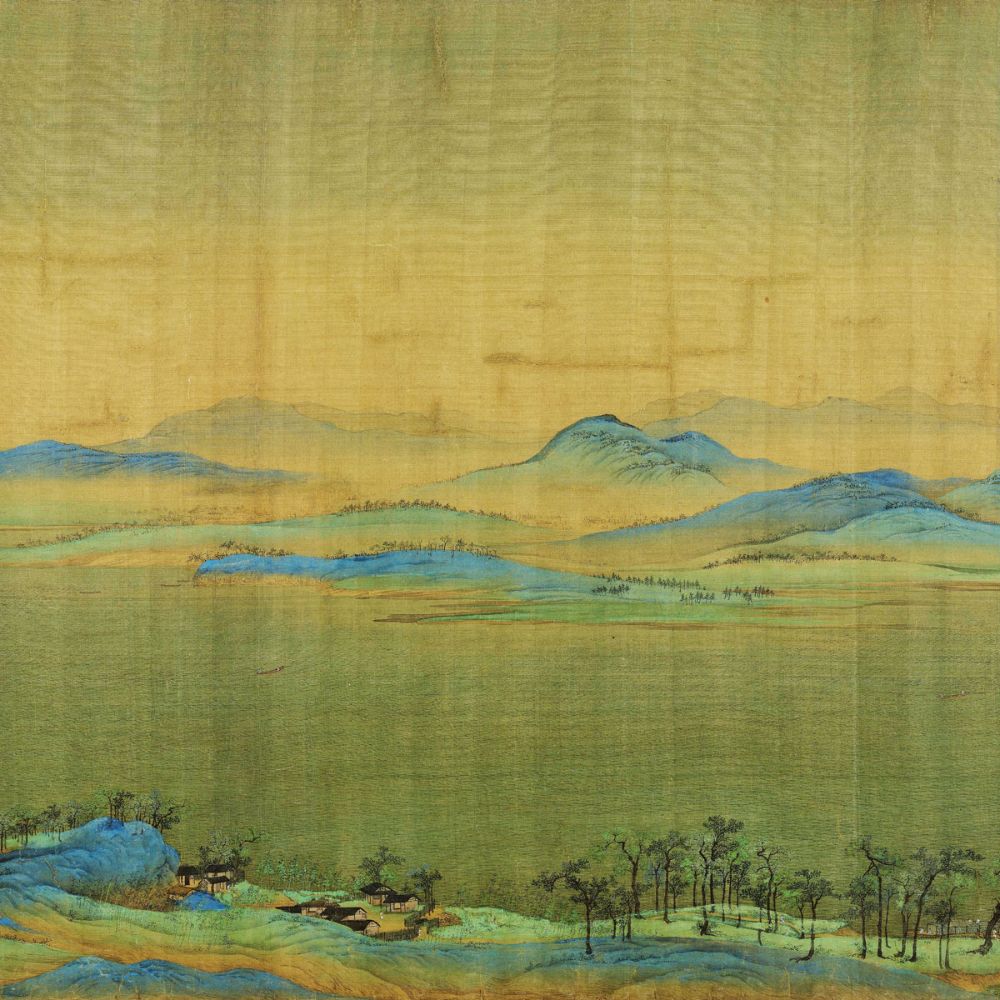
What makes this painting truly legendary is its creator, Wang Ximeng. At the tender age of 18, he completed this monumental work under the personal mentorship of Emperor Huizong. The scroll remains his only surviving legacy, as the young genius passed away shortly after its completion. This romantic yet tragic history adds a layer of mystique to every brushstroke.
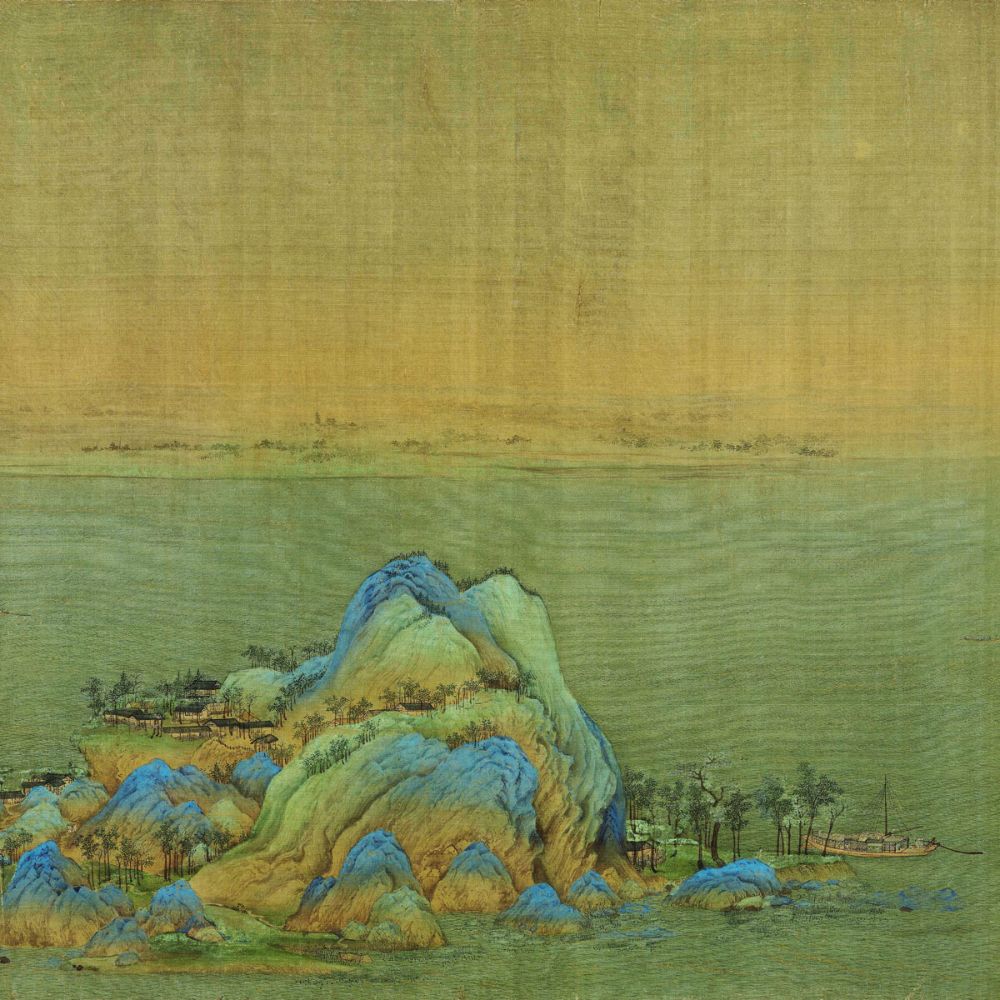
The visual impact of the scroll is defined by its vibrant mineral pigments. Using azurite and malachite, Wang created a shimmering landscape of cerulean peaks and emerald valleys. Unlike the monochromatic ink-wash paintings that followed, this work celebrates the vividness of nature, symbolizing the eternal prosperity of the empire.
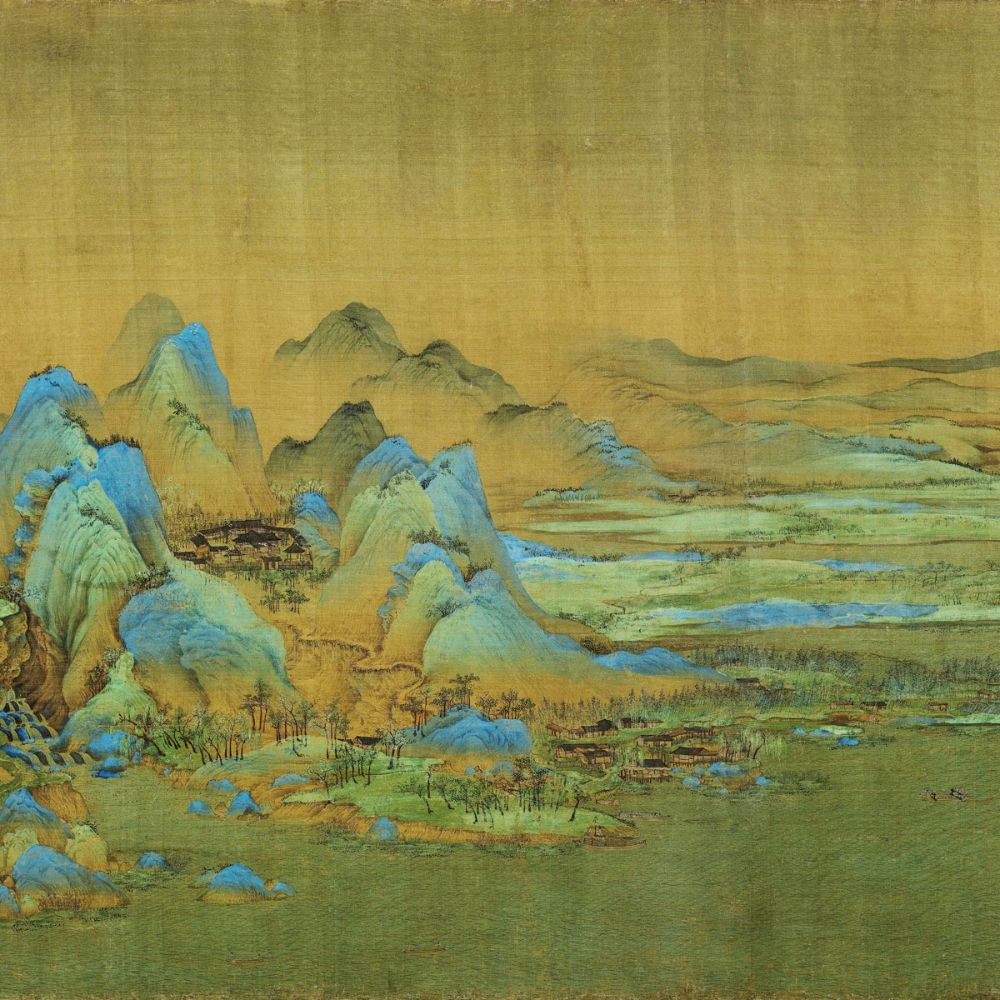
Structurally, the scroll is a masterpiece of "scattered perspective." As the viewer unrolls the silk, the scenery transitions seamlessly from misty riverside dwellings to jagged mountains and bustling bridges. It invites a meditative experience, allowing the observer to "travel" through the landscape from the comfort of their own space.
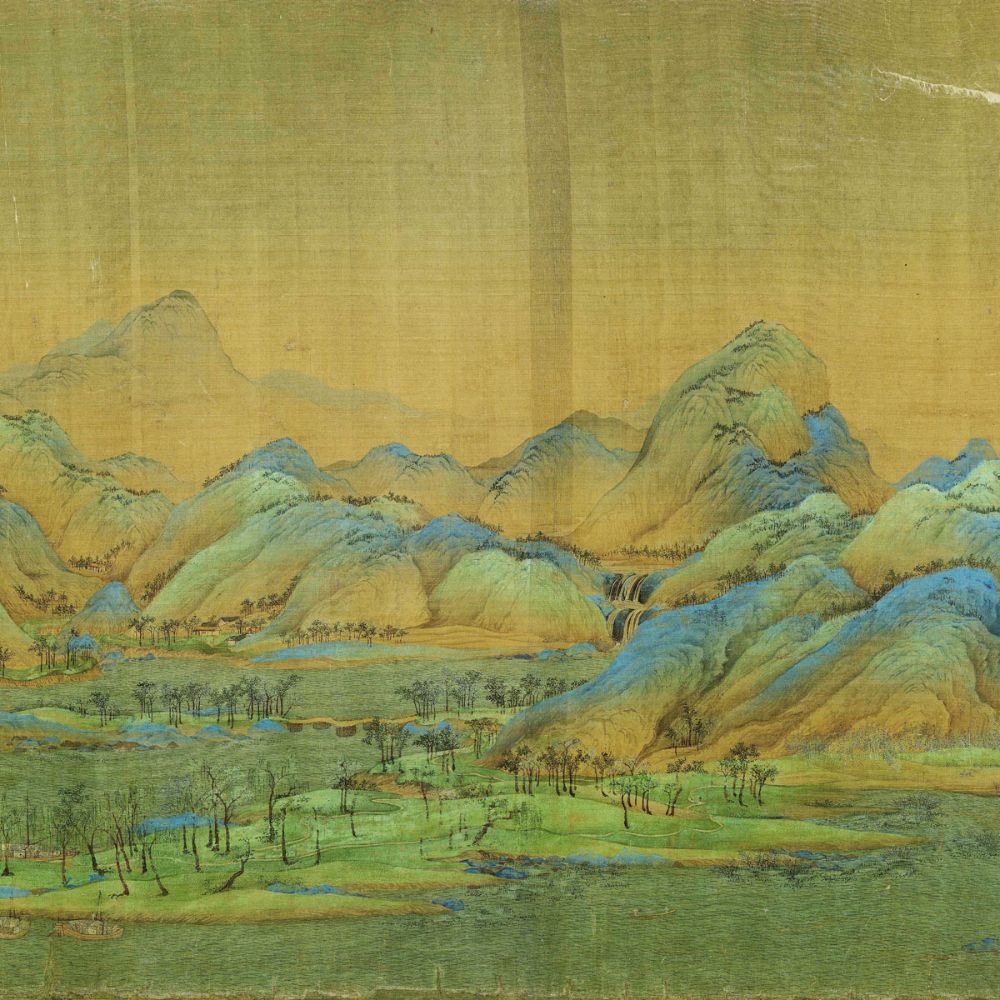
Today, A Thousand Li of Rivers and Mountains is more than a museum relic; it is a global cultural icon. Whether through digital immersive exhibitions or high-quality art prints, its influence continues to inspire modern fashion, dance, and interior design, bridging the gap between ancient tradition and contemporary aesthetics.