The Bronze Masks of Sanxingdui: Exploring Ritual, Transformation, and the Unseen Realm
|
The bronze masks discovered at Sanxingdui are some of the most enigmatic and fascinating artifacts from ancient China, showcasing a level of artistic skill and imaginative expression that is unique to the ancient kingdom of Shu. These masks, often featuring large, protruding eyes, stylized features, and unique forms, offer a powerful glimpse into the religious and ritualistic practices of this ancient culture. The power and mystery of these masks is a source of fascination for many who study ancient Chinese art. 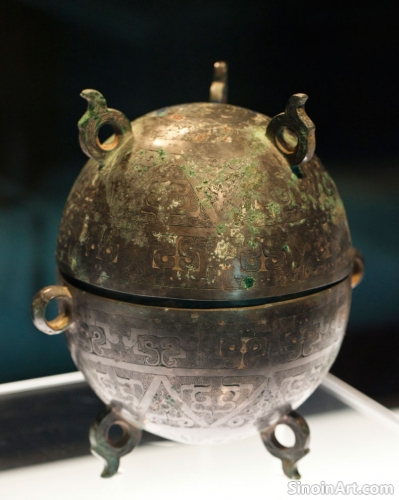 The sheer size of many of the Sanxingdui masks, some of which are life-sized or even larger, suggests their importance as ritual objects used to impress and transform the audience. The large scale of these objects helps to generate a sense of awe and wonder. The size of the masks emphasizes their spiritual significance.  The stylized features of the masks, such as the exaggerated eyes and ears, suggest a belief in the power of these objects to transcend the ordinary and to connect with the supernatural. The use of these exaggerated forms helps to create an otherworldly feel. The use of stylized features suggests a connection to the world beyond. 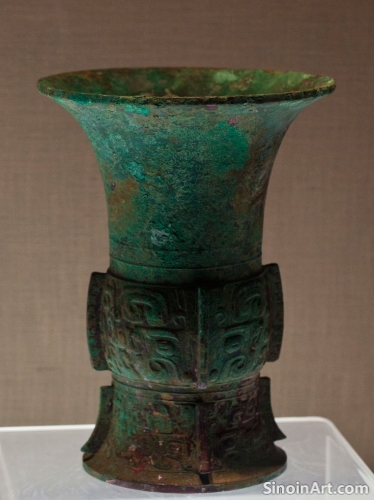 The act of wearing these masks in ritualistic performances may have allowed individuals to take on the identities of deities or spirits, transforming the wearers into intermediaries between the human and spiritual realms. The ritual use of these masks helped to create a bridge between the world of the living and the world beyond. These objects helped to create a spiritual connection to the divine. The study of the Sanxingdui bronze masks helps to understand the unique spiritual beliefs of the Shu civilization and their complex relationship with the unseen world. These objects provide a glimpse into a culture that was largely independent from the other major cultures of ancient China. The care taken in their creation helps to elevate these pieces to the status of major works of art. |
Tag : Sanxingdui masks, bronze ritual, ancient Shu culture, spiritual objects, Chinese archaeology
Related information
- Bronze Ware and the Development of Ancient Chinese Ceramics: Form and Decoration
- Beyond Vessels: The Diverse Uses of Bronze in Ancient China
- The Use of Bronze in Ancient Chinese Maritime Activities: Vessels and Tools
- The Symbolic Importance of Bronze Animals in Ancient China: Power, Protection, and the Supernatural
- Bronze Ware and Ancient Chinese Mythology: Exploring the Interplay Between Myth, Art, and Ritual
This article explores the influence of bronze ware on the development of ancient Chinese ceramics, highlighting the replication of bronze forms and decorative patterns, the adaptation of metalworking techniques, and demonstrating the cross-pollination of these two art forms.
This article explores the diverse uses of bronze beyond vessels and weapons, highlighting its use in musical instruments, mirrors, tools, and other objects, demonstrating the versatility and importance of bronze in ancient Chinese society.
This article explores the use of bronze in ancient Chinese maritime activities, highlighting its role in ship construction, the creation of navigational and fishing tools, and its contribution to the development of trade and exploration.
This article explores the symbolic importance of bronze animals in ancient China, highlighting how different creatures, both real and mythical, were used to convey messages about power, protection, and the supernatural, and reflecting the complex worldview of the time.
This article explores the use of mythological imagery on Chinese bronze ware, highlighting the depiction of dragons, phoenixes, and other creatures, and how these motifs reflected ancient beliefs and helped to connect the earthly world with the spiritual realms.