
To the untrained eye, Bada Shanren’s Cat and Rock might look simple, but to the connoisseur, it is a technical tour de force. Every line, every dot, and every wash of ink is the result of decades of mastery over the brush. Bada was a virtuoso of "ink play," and this painting is a textbook example of how to manipulate water and pigment to create a world on silk.
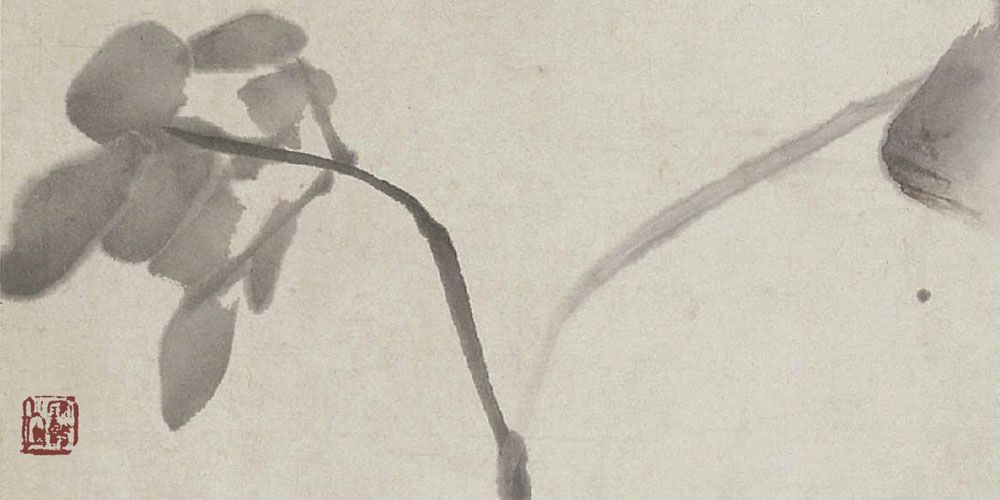
The cat’s body is rendered using "Charred Ink" (Jiao Mo). This is ink used with very little water, resulting in a deep, velvet black that seems to absorb light. Bada applies this ink in broad, confident strokes to suggest the cat’s dense fur and underlying muscle. The ability to control such thick ink without it becoming a muddy mess is a sign of ultimate brush control.
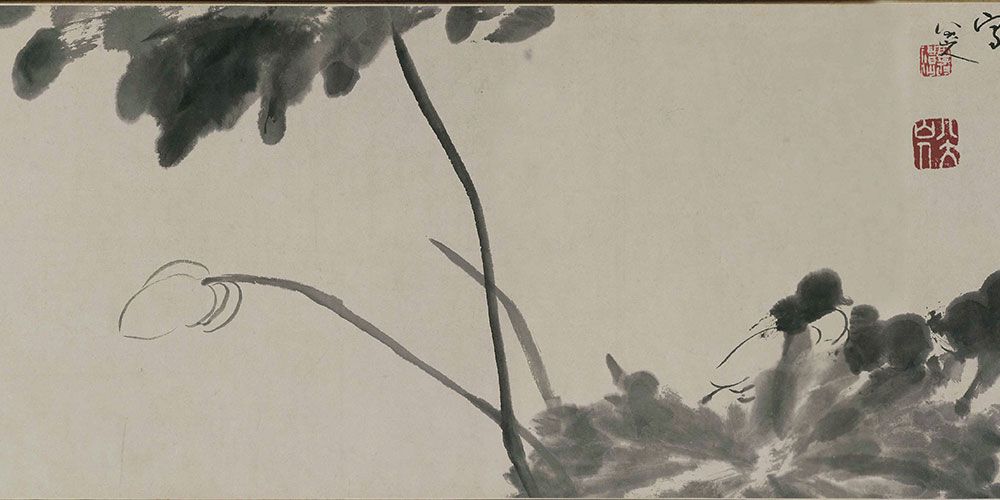
The rock, by contrast, demonstrates the "Flying White" (Feibai) technique. Here, the brush moves so quickly across the paper that the hairs separate, leaving streaks of white paper visible within the stroke. This creates a sense of speed, energy, and the rough, sun-bleached texture of a mountain stone. It is the perfect technical foil to the heavy, dark mass of the cat.
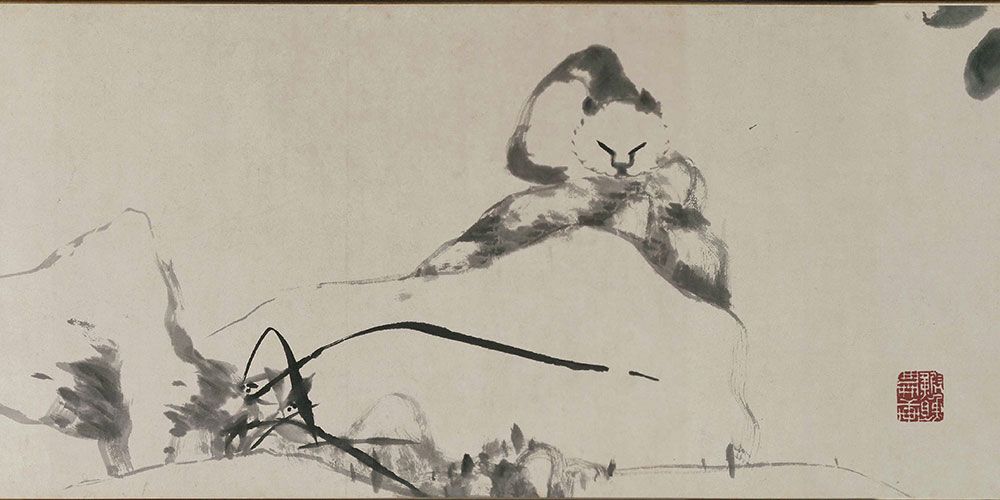
Bada’s "dots" (Dian) are also legendary. Throughout the rock, he places small, dark dots of ink. These are not random; they represent moss, lichen, or the "Qi" points of the stone. In Chinese art theory, these dots are the "eyes" of the landscape, giving life and pulse to the inanimate objects.
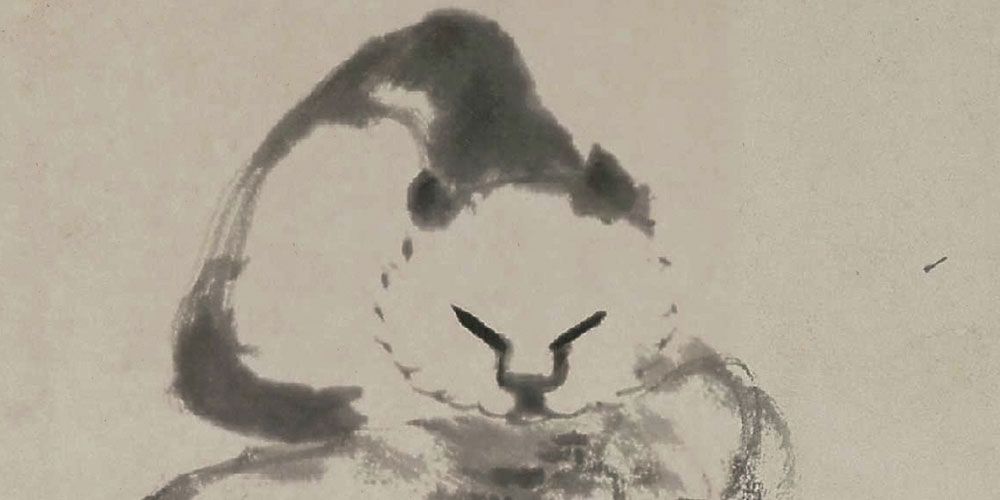
At SinoInArt, we use high-definition scanning to capture these technical nuances. From the separation of the brush hairs in the "Flying White" sections to the saturation of the "Charred Ink," our 1:1 replicas on Xuan paper provide a level of detail that allows you to study the anatomy of a masterpiece in your own gallery.