Learning Gongbi: A Guide for Aspiring Artists
|
For those captivated by the delicate beauty of Gongbi painting and eager to explore this art form, the journey requires a systematic approach and a willingness to learn from experienced practitioners. Mastering the techniques takes time, patience, and a deep commitment to the craft, but the rewards are truly fulfilling. It is a process that needs dedication, but is rewarding for those dedicated to the journey. 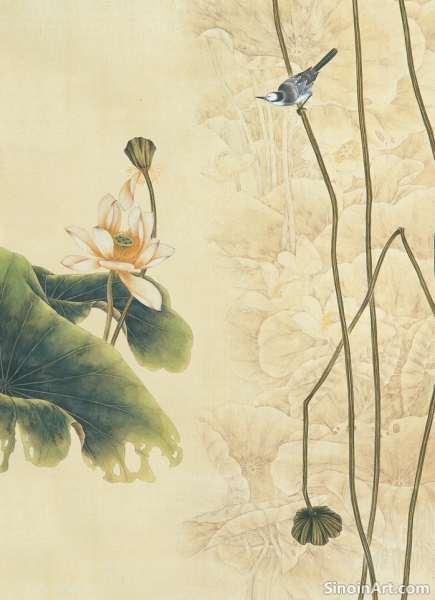 The first step is to familiarize oneself with the fundamental principles of drawing and painting. Understanding the use of lines, shapes, and colors is essential for creating a solid foundation for Gongbi painting. The importance of a good teacher cannot be understated. Learning from an accomplished artist will provide you with the necessary guidance on technique and practice.  Acquiring the necessary materials is also crucial. This includes fine brushes, traditional Chinese ink, mineral-based pigments, and high-quality silk or rice paper. It's not just about using the materials, but learning why specific materials and tools are used. Understanding their nuances is part of the learning process. 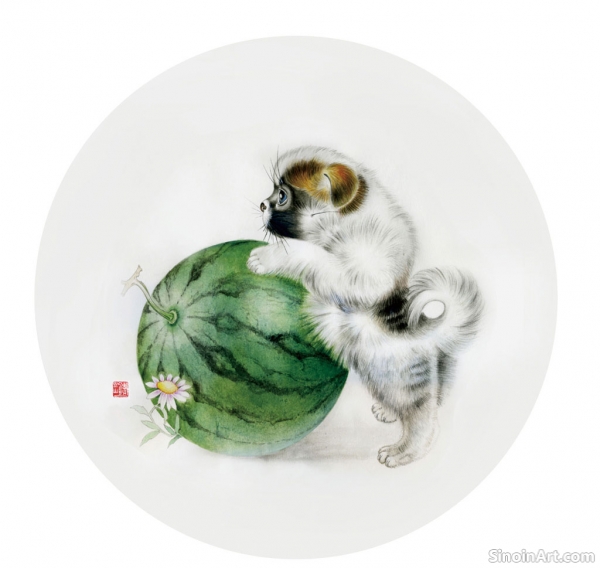 Mastering the meticulous brushstrokes that are characteristic of Gongbi requires extensive practice. Initially, focusing on simple lines and shapes can help develop the hand-eye coordination and brush control needed for more complex subjects. It’s important to focus on quality over quantity, to master a stroke before moving on. The process of learning Gongbi can be long and challenging, but with dedication and perseverance, aspiring artists can achieve remarkable results. The practice itself is therapeutic and meditative, offering a pathway to a deeper connection with the cultural heritage of this amazing artform. It is a journey that requires patience, but the rewards are well worth the effort. |
Tag : Learning Gongbi painting, Chinese art tutorial, Gongbi techniques for beginners, art education, traditional painting lessons
Related information
- Gongbi and the Depiction of Water: Capturing the Flow and Spirit
- The Challenge of Large-Scale Gongbi Painting
- The Influence of Gongbi on Contemporary Art
- Gongbi and the Depiction of Water: Flow, Reflection, and Atmosphere
- Gongbi and the Depiction of Architecture
This article explores the depiction of water in Gongbi painting, highlighting the techniques used to capture its flow and movement, the use of color to suggest its depth, symbolic significance, and how it enhances the overall sense of harmony and balance within the artwork.
This article explores the unique challenges of creating large-scale Gongbi paintings, including maintaining precision, acquiring specialized materials, managing composition, and the time-consuming process of layering colors and details.
An examination of Gongbi painting's influence on contemporary art, highlighting the adaptation of its techniques, symbolism, and aesthetic principles.
The depiction of water, with all its fluidity, dynamism, and reflective qualities, is a significant element in many Gongbi paintings. Artists employ a variety of techniques to capture the movement, texture, and atmospheric effects of water, ranging from still ponds and meandering streams to rushing waterfalls and expansive seas. The depiction of water is often a central element of a successful composition, adding depth and beauty to a piece.
This article explores the depiction of architecture in Gongbi painting, highlighting the meticulous detail, historical accuracy, use of perspective, and interplay of light and shadow, showcasing how this art form captures both the physical appearance and cultural significance of buildings.