Collecting Studio Seals: Tips for Appreciating and Acquiring
|
Collecting studio seals can be a rewarding and enriching experience, providing collectors with a deeper appreciation of Chinese art and culture. However, it is important to approach the collection process with knowledge, patience, and a keen understanding of what factors contribute to the aesthetic and monetary value of these unique pieces. Developing an understanding of both the market, as well as the history, is critical to becoming an effective collector. 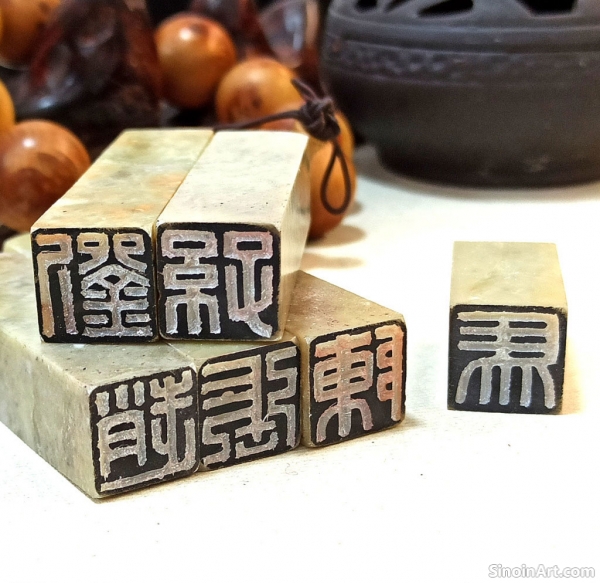 When evaluating a studio seal, it is important to consider several factors. The quality of the material, the skill and artistry of the carving, the historical context of the piece, and the inscription are all central to a seal's overall value and importance. By assessing each of these factors, a collector can develop a more informed taste.  Developing an informed appreciation of studio seals requires studying a wide range of pieces, exploring various styles, and understanding the history and techniques of seal carving. Understanding the different masters, and historical and cultural context will allow a collector to choose pieces wisely. 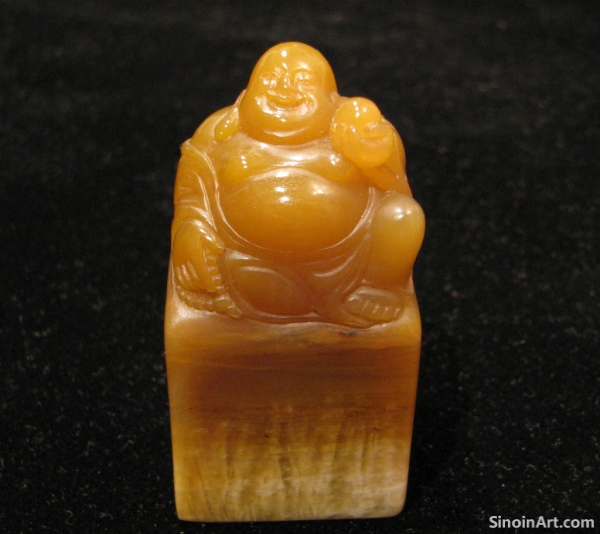 Researching the provenance of a studio seal is essential, as the history of a seal can add to both its cultural and economic value. Tracing a seal back to a famous artist, collector, or historical figure can significantly increase its worth. Understanding the origins of the piece are central to understanding its value. Collectors should also be aware of the presence of forgeries. Understanding the subtle nuances that differentiate a genuine seal from a fake will help in building a valuable collection, and protecting against loss. It is also important to consider the ethical responsibilities of collecting these pieces. Collecting studio seals is not just about acquisition; it's about cultivating a deep appreciation for Chinese art, culture, and history. By carefully studying and evaluating pieces, collectors can build meaningful collections that reflect their own tastes and values. Through this knowledge, they can also contribute to the continued preservation of this unique art form. |
Tag : Collecting Studio Seals, Zhaiguan Art, Seal Collecting Tips, Art Collecting Guide, Seal Provenance
Related information
- The Significance of Red: The Vermilion Ink in Seal Impressions
- Collector's Seals and Provenance
- Famous Seal Carvers in Chinese History: The Masters of Zhuanke
- Contemporary Name Seal Carving: Preserving Tradition and Embracing Innovation
- The Materials of Seal Carving: From Stone to Ink
This article explores the significance of the color red, specifically vermilion ink, in Chinese seal carving, highlighting its symbolism of prosperity, authority, and personal identity.
Collector’s seals play a crucial role in establishing the provenance, or history of ownership, of a work of art or a book. The history of ownership is an essential component of establishing the value of a piece.
Discover the lives and works of famous Chinese seal carvers throughout history. Learn about the contributions of masters like Zhao Mengfu, Wen Peng, and Qi Baishi to the art of zhuanke.
This article explores the current state of name seal carving, discussing how contemporary artists are both preserving traditional techniques and embracing new approaches to this ancient art form.
This article explores the various materials used in Chinese seal carving, including the different types of stones, inks, seal pastes, and other supplies that contribute to the art form.