Bronze Ware and the Influence of Ancient Chinese Philosophical Schools: Confucianism, Daoism, and Legalism
|
The development and use of bronze ware in ancient China was influenced, to varying degrees, by the different philosophical schools of the time, including Confucianism, Daoism, and Legalism, each of which emphasized different values, priorities, and approaches to both life and the exercise of power. The interplay of these different approaches to both the practical and the philosophical helps to illuminate both the culture of ancient China and also the design principles that were reflected in bronze objects. 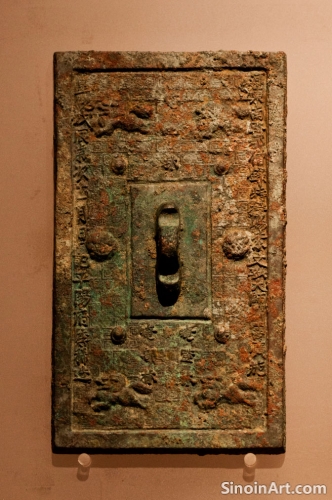 Confucianism, with its emphasis on order, ritual, and social harmony, influenced the creation of bronze ritual vessels, which were used to reinforce social hierarchies, and also to promote ancestor worship. The emphasis on structure, balance, and appropriate form in Confucianism can be seen in the bronze designs from this era. The values and ethics of Confucianism also influenced the manner in which bronze artifacts were used. 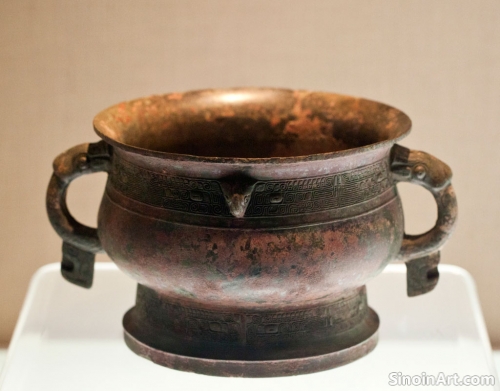 Daoism, with its emphasis on nature, spontaneity, and harmony with the cosmos, led to the creation of bronze designs that often incorporated more organic shapes, flowing lines, and natural imagery. The Daoist approach to art helps to reveal a more fluid and dynamic form. This interplay between the natural and the human made for unique and interesting artistic expression. 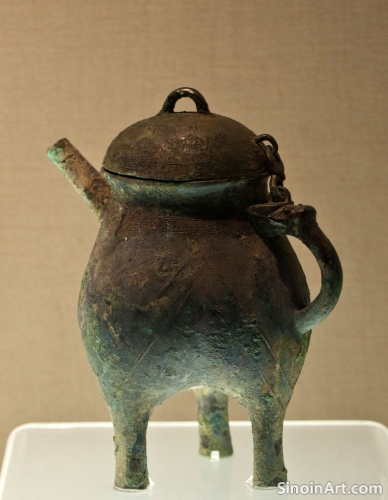 Legalism, which emphasized the importance of laws and social order, sometimes resulted in the production of bronze objects with more rigid and functional designs, often incorporating inscriptions of legal pronouncements and other expressions of state authority. The Legalist emphasis on structure and authority is clearly visible in the design and inscriptions from this era. The study of bronze ware through the lens of ancient Chinese philosophy helps to reveal the complex ways in which these different ideologies shaped both the material world and the spiritual beliefs of the time. The careful study of these artifacts helps to illuminate the diversity and complexity of ancient Chinese thought. The intersection of philosophy, art, and practical application is a key aspect of ancient Chinese culture. |
Tag : bronze philosophy, Confucianism, Daoism, Legalism, Chinese thought
Related information
- Bronze Ware and the Representation of Power in Ancient Chinese Royal Tombs: Scale, Detail, and Symbolism
- The Use of Bronze in Ancient Chinese Musical Instruments: Stringed Instruments and Percussion
- Bronze Ware and Ancient Chinese Notions of Heaven and Earth: A Cosmic Worldview
- Bronze Ware and the Power of Inscriptions: Communicating History, Lineage, and Identity
- The Development of Bronze in the Spring and Autumn Period: New Forms, Techniques, and Regional Styles
This article explores the use of bronze ware in ancient Chinese royal tombs, highlighting its role in conveying power and wealth, its use of scale and detail, its symbolic designs, and how these objects were intended to ensure the continued recognition of the deceased in the afterlife.
This article explores the diverse use of bronze in ancient Chinese musical instruments, highlighting its role in creating components for stringed instruments, percussive elements, and how it shaped the musical landscape of ancient China beyond bells and chimes.
This article explores how bronze ware reflected ancient Chinese concepts of the cosmos, highlighting the integration of celestial symbols, the use of balanced forms, and the interplay between human activities and the perceived order of the universe.
This article explores the power of inscriptions on Chinese bronze ware, highlighting how they communicated historical events, established lineage ties, asserted social identities, and provided invaluable insights into the history and culture of ancient China.
This article explores the development of bronze ware during the Spring and Autumn period, highlighting new forms, innovative techniques, and the rise of distinctive regional styles, reflecting the growing artistic diversity of the time.